
What Alaska Homeowners Need to Know About Ice Dams
This is a subtitle for your new post
Living in the Last Frontier means we’re no strangers to heavy snow, but the unique climate of the AKTrimlight service area—stretching 150 miles around Anchorage - presents a specific challenge for our roofs. When the "Big Freeze" meets the heat from our homes, the result is often a destructive ice dam.
At AKTrimlight & Hurt’s Handyman, we’ve seen how Alaska’s rapid temperature swings can turn a beautiful snow-covered roof into a nightmare of leaks and structural damage. Here is your local guide to staying dry this winter.
What Exactly is an Ice Dam?
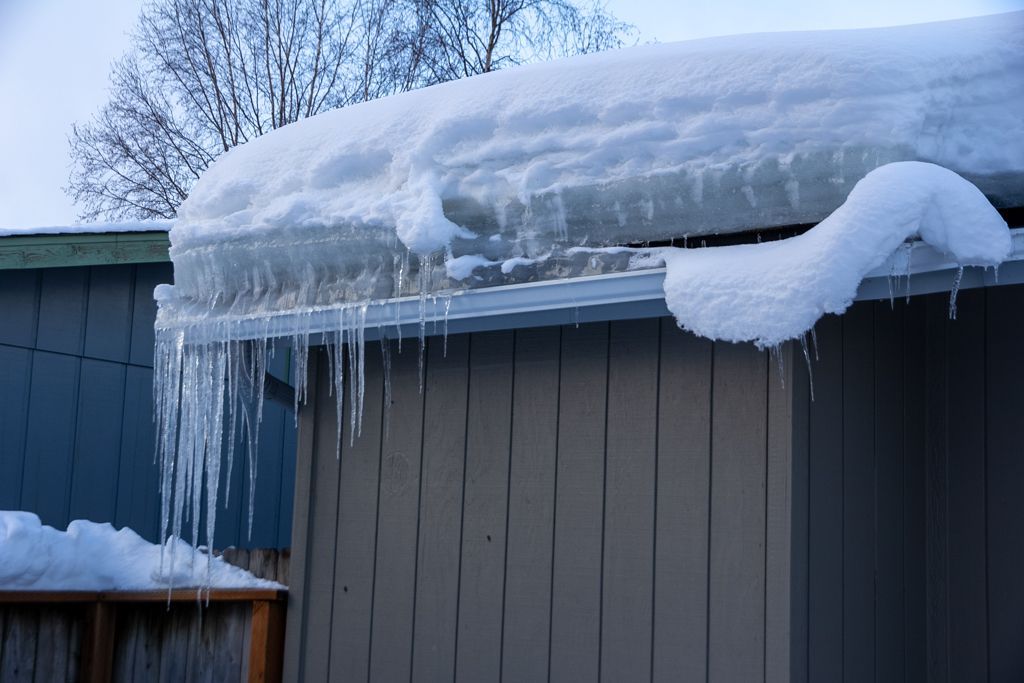
In Alaska, we often call them "ice jams" on the roof. An ice dam is a thick ridge of solid ice that forms at the edge of your eaves. It acts like a literal dam, preventing melting snow from draining off the roof. When that water has nowhere to go, it forced its way under your shingles and into your home.
Why Is This So Common in Alaska?
Our homes work hard to stay warm, but that heat can be our roof's worst enemy.
- Heat Loss: Heat escapes from your living space into the attic, warming the roof surface.
- The Melt: Even when it’s 10°F outside, the snow touching your warm roof begins to melt.
- The Freeze: As that water reaches the cold, unheated eaves (the part of the roof sticking out past your walls), it flash-freezes.
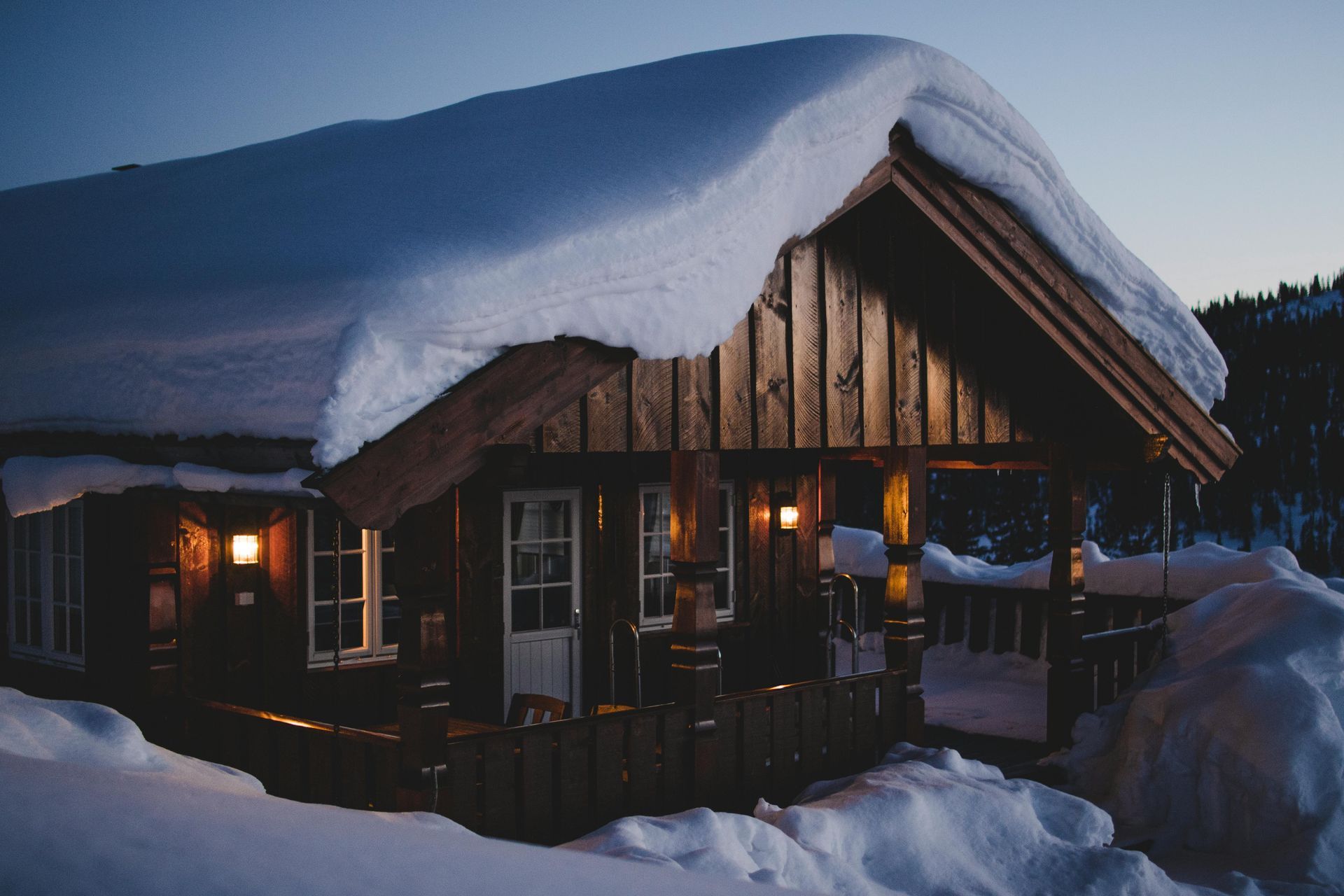
- The Build-up: This cycle repeats daily, creating a massive ice barrier that can weigh hundreds of pounds.
The Hidden Dangers
The damage isn't always visible from the driveway. By the time you see a leak, the damage is already well underway:
- Interior Destruction: Stained drywall, peeling paint, and ruined insulation.
- Gutter Failure: The sheer weight of Alaska ice dams can bend or completely rip gutters off your fascia.
- Mold Growth: Trapped moisture in your attic is the perfect breeding ground for mold, even in winter.
Immediate Solutions: The Alaska Approach
If you see ice building up, don't ignore it. However, never use a hammer or axe on your roof - you’ll likely put a hole right through your shingles.
- Roof Raking: After a heavy Northwind dump, use a roof rake to clear the bottom 3–6 feet of your roof. Removing the "fuel" stops the dam from growing.
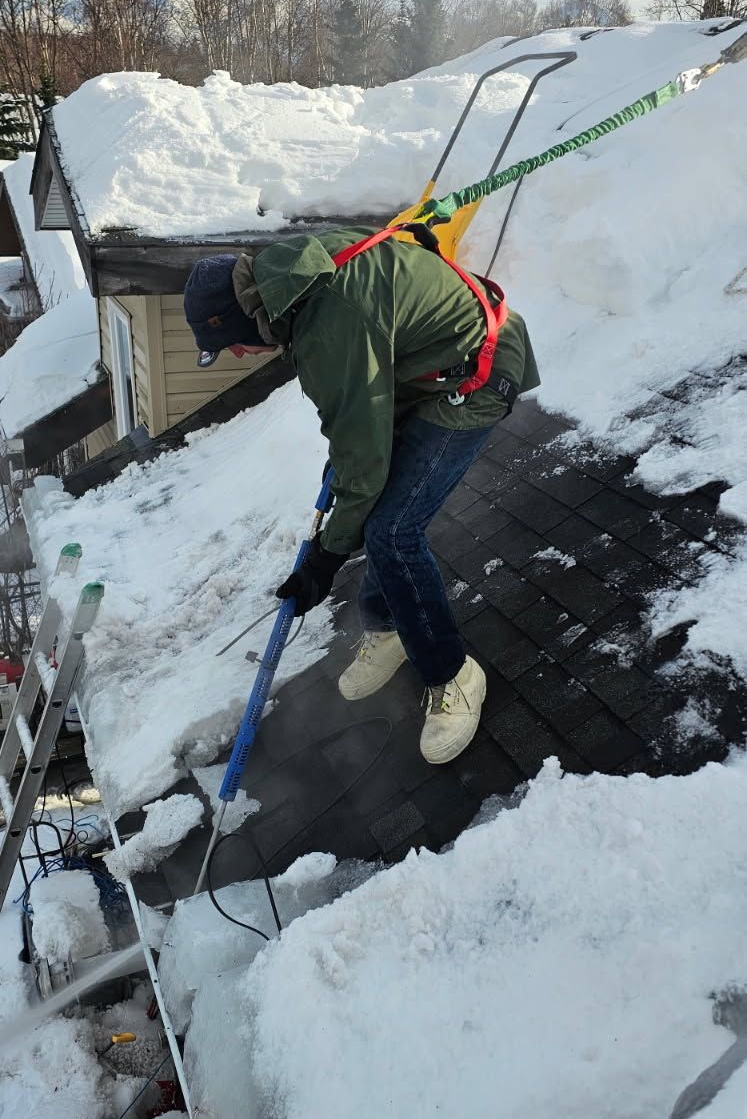
- Steam Removal: For serious blockages, professional steaming is the only safe way to melt ice without damaging the roof.
- Emergency Heat Cables: While not a permanent fix, specialized heat heat tape can help maintain drainage channels in a pinch.
Long-Term Prevention
The goal is a "Cold Roof." If your roof is the same temperature as the outside air, ice dams can't form.
- Increase Insulation: Beef up your attic insulation to R-49 or higher to keep heat where it belongs inside your house.
- Seal Air Leaks: Use spray foam to seal "bypasses" around light fixtures and plumbing stacks where warm air leaks into the attic.
- Improve Ventilation: Ensure your soffit and ridge vents aren't blocked by insulation so cold air can circulate freely.
Let Hurt’s Handyman Help
Whether you're in Anchorage or the Mat-Su Valley, AKTrimlight & Hurt’s Handyman is ready to help. From emergency snow removal to permanent attic sealing and insulation upgrades, we know what it takes to protect an Alaska home.
Don't wait for the thaw to find a leak. Contact us today to winter-proof your roof. Stay warm, stay dry, and let us handle the heavy lifting this winter. If you need help with your ice jam issues, call me at 1-907-748-2655. Nathanial Hurt.